





Decking boards
Contents |
[edit] Introduction
The timber merchants and board makers have been in dilemma for years regarding the type of materials to be used in the making of decking boards.One option is wooden decking board, but then the struggle is to choose from the variety of woods available in the market.
There are many choices when it comes to the size, material, composition and colour, but there are other matters as well, such as cost, durability, eco-friendliness, maintenance and so on.
[edit] Types of decking boards
[edit] Pressured softwood
This product is made by applying pressure to softwood. This product is popular with customers for its price, durability and ease of installation. However, it is generally not environmentally friendly and can require a significant maintenance.
[edit] Harwood
This variety, which is made from hardwood trees, is generally more expensive than pressured boards. This type of board is considered safe from rotting, warping and splitting but it does require some degree of regular maintenance. It is not always environmentally friendly and can be difficult to instal.
[edit] Composite
These boards are made of wood flour and plastic that is recyclable. These boards are protected from mould, moisture and insects and are easy to maintain and instal. However, this type of decking can be expensive and is thought by some to be harmful to the environmental development.
[edit] PVC
These boards are similar to the composite boards and are made only by a single material-plastic, which makes it easy to maintain and recycle. It is not prone to warping or splitting. It can be expensive and may look artificial. It is considered by some to be environmentally friendly, easy to instal and easy to maintain.
[edit] How to decide
When it comes to choosing a decking board, customers can choose depending on priorities and use. People who want boards that are long-lasting may wish to select composite and PVC boards that have zero wood. People looking for easily installable boards may prefer to choose softwoods. In the case of people looking for environmentally friendly boards, keep in mind that every board has some negative effect on the environment, but the least harmful ones may include recycled material.
[edit] Related articles on Designing Buildings
Featured articles
Check out some of the best features and news from Designing Buildings as well as key stories from around the web.

Your guide to The Construction Reset at UKCW Birmingham.

Accommodating the Victorian and Edwardian working woman. Book review.
Rethinking passive fire protection in design

PFP demands the same level of design rigour as structure or services.

38% of Gen Zs feel safe when a fire door is wedged open.
Stunning images from around the world
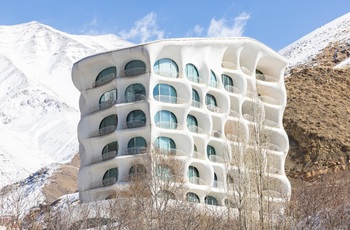
Shortlist for CIOB’s Art of Building photography competition.
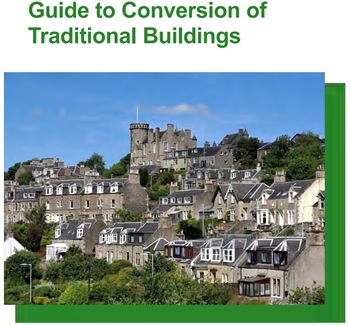
Guidance for conversion of traditional pre-1919 stone buildings.
Industrial heritage in the Ruhr
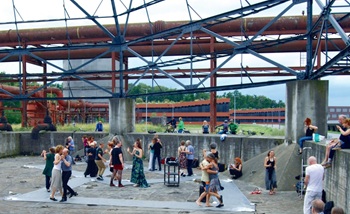
A marked difference to the fate of industrial landscapes in the UK.
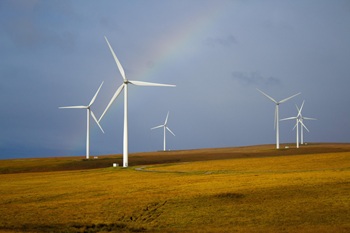
Communities will be able to build their own clean energy.
Why diversity and inclusion matters for SMEs

CIOB’s D&I Charter shows how practical changes can support long-term growth.
Cut electricity bills to power growth

Coalition sends joint letter to the Chancellor.

Gasholders: a history in pictures. Book review.
Recognition, influence and growth
SocEnv identifies three strategic pillars in new strategy to 2045.